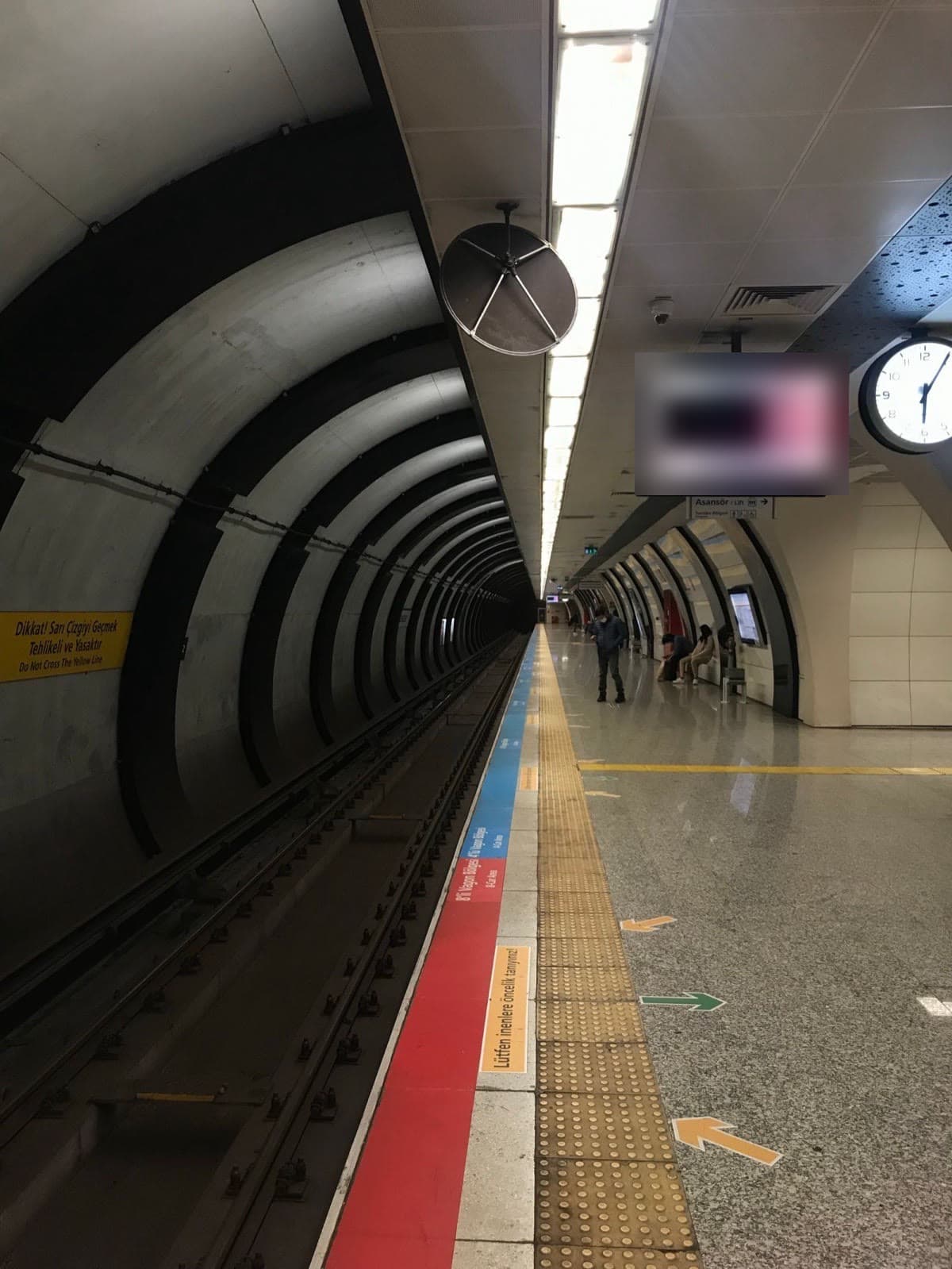
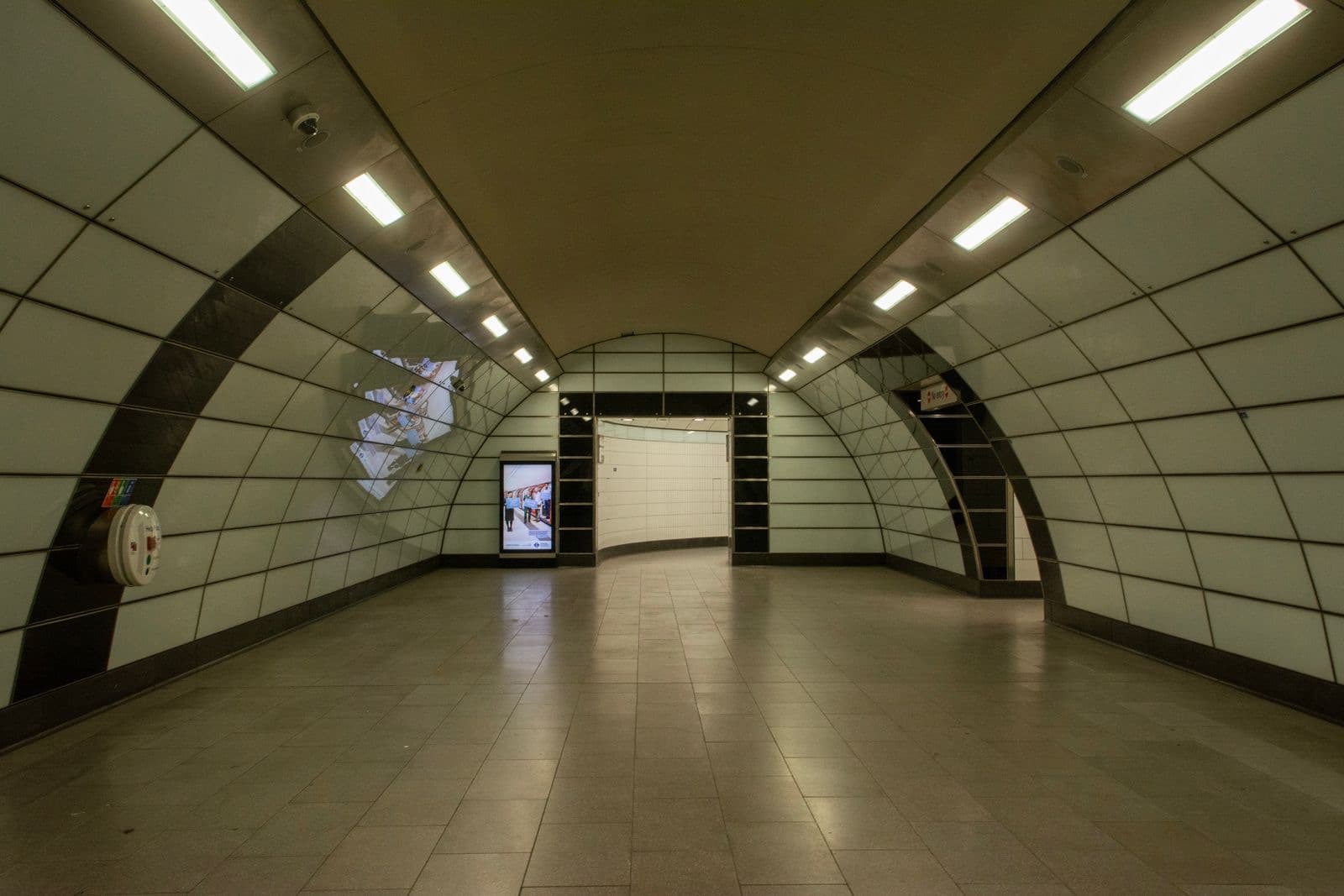

Part of the daily commute contact on the same route each day
From metro stations to airport terminals, transit advertising reaches people in their daily routines. Repeated contact on the same route makes a message familiar over time.
Plan ads across metro, bus, Marmaray and airport spaces as part of your city campaign.
Traditional media booking is on the roadmap; inventory and pricing will open with media partners.
Share your goal and we’ll get back to you.
Transit ads peak at the start and end; DOOH and outdoor fill the gap.
Daily repetition
The same commuters see it every day.
Long exposure
Throughout waiting and travel time.
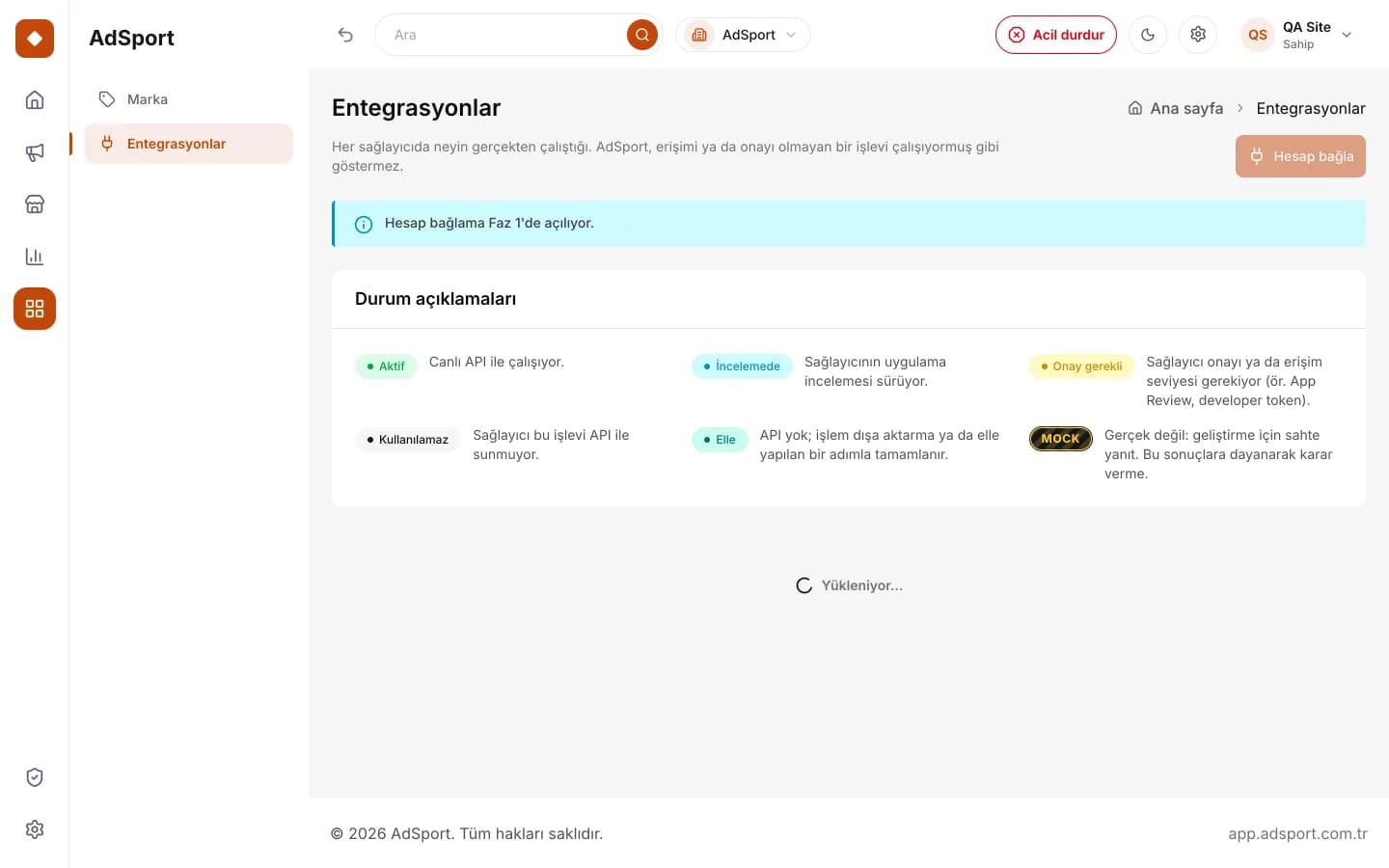 Real dashboard screen
Urban audience
Dense with students and professionals.
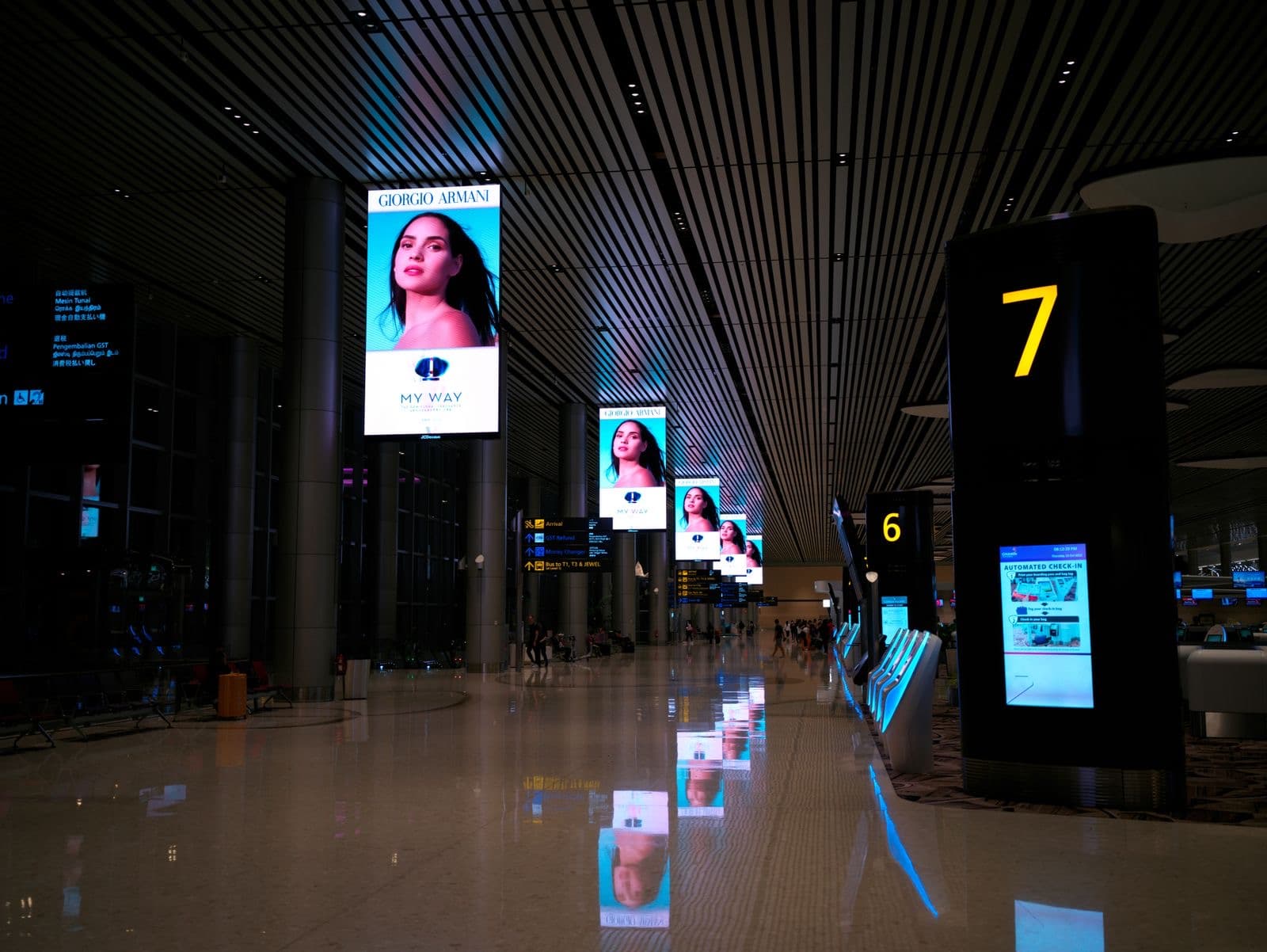
Location power
Ideal for businesses near stations.

Lines and stations
Routes that match your audience are chosen.

Format choice
Screens, wraps or panels.

Creative adaptation
Messages readable on the move.

BookingRoadmap
Space reserved with media partners.
Not exactly. Metro advertising also includes static panels, wraps and in-car space. Metro screens are digital faces whose content can change by the hour. We cover the digital screen side separately on our DOOH page; both formats can be planned together in the same campaign.
The exterior of a bus, tram or commercial vehicle is covered with the campaign visual. As the vehicle moves around the city, the message travels to different neighborhoods. The route, wrap area and duration are set with the vehicle operator and, where required, according to the relevant municipal rules.
It is a suitable context for tourism, hotel, finance, automotive and corporate service brands that want to reach people who travel. Waiting times in terminals can offer a longer window of attention than urban transit.
Not yet. Transit advertising booking is on the roadmap and will open together with media partners. Today you can share your needs through a form and start preparing the other parts of your plan.

The form takes one minute.
From metro stations to airport terminals, transit advertising reaches people in their daily routines. Repeated contact on the same route makes a message familiar over time.
Transit advertising covers ad space in metro stations and carriages, on the inside and outside of trams and buses, and in bus terminals, train stations and airports. Static panels, illuminated faces, station screens, turnstile and stair wraps, and vehicle wraps are the main forms in this category.
What sets this channel apart is routine. Someone going to work or school passes through the same station and rides the same line every day. That repeated contact helps a message become familiar quickly. Waiting time on platforms and at stops also creates opportunities for longer contact with an ad.
Airports speak to a different audience: business travelers, tourists and frequent flyers. This setting offers a distinct context for premium and corporate messages.
Passengers who use the same route every day encounter the ad many times over the course of a campaign. This repetition helps people remember the brand name and main message, which is especially valuable for long-term awareness goals.
Waiting on a platform, at a stop or by the doors are moments when people look around. That time offers a longer reading opportunity than a quick pass by an outdoor panel and makes room for slightly more detailed messages.
By choosing specific lines, stations or vehicle routes, a campaign can focus on particular neighborhoods or business districts. Vehicle wraps, meanwhile, carry the message to different parts of the city.
Airport and terminal ads reach people traveling between cities or internationally. They can provide a suitable context for tourism, finance, automotive and corporate services.
Transit advertising suits brands that want regular contact with the broad audience living and working in the city, and businesses targeting people on the move.
Telecom, food, retail and digital service brands can reach public transport users as part of their daily routine.
Courses, universities and language schools can be visible during enrollment periods on the lines and stations students use most.
Hotels, tour operators and businesses offering city experiences can speak to newly arrived visitors at airports and terminals.
Companies that are hiring can get their recruitment messages to potential candidates on the lines heading to specific business districts.
The areas where your target audience lives and works are matched with the lines they use. Transfer stations, busy platforms and terminals that fit the audience go to the top of the priority list.
A mix that fits the message and budget is built from station panels, screens, in-car space, exterior vehicle wraps or airport faces. Campaign length is set based on the repetition goal.
The visual is prepared for the space’s viewing distance and typical waiting time. Transit operators’ content and technical requirements and their approval processes are added to the schedule before printing.
After installation or launch, confirmation is obtained through photos or reports. Throughout the campaign, code and QR data and changes in regional demand are tracked.
There are no direct clicks in transit advertising. Passenger numbers and station traffic give an idea of potential reach, but whether an individual passenger actually saw the ad cannot be known, and estimates should be read qualitatively.
Because waiting times are longer, QR codes and short web addresses are more practical in this channel. A campaign-specific code, changes in demand at stores near stations and branded search during the campaign also help interpret the effect.
Metrics we track: Station count · Estimated reach · QR scans · Code redemptions · Branded search · Regional lift
Transit advertising is part of AdSport’s traditional media roadmap. Inventory and booking will open together with media partners.
Request and contact forms
You can share your metro, bus or airport needs today through the forms on our website.
Transit booking
Booking of lines, stations and vehicles will open with media partners; there is currently no inventory or pricing.
Suggestions in the media plan
Planning support that will suggest lines and stations based on the target region in your brief is on the roadmap.
Results in one report
A report that will show code, QR and regional signals together with other channels is planned.
Live: available today at app.adsport.com.tr. Roadmap: in development, not yet available.
Share the areas where your target audience lives and works, and we will assess what transit advertising can add to your plan.