On screen, at the right hour flexible, updatable outdoor
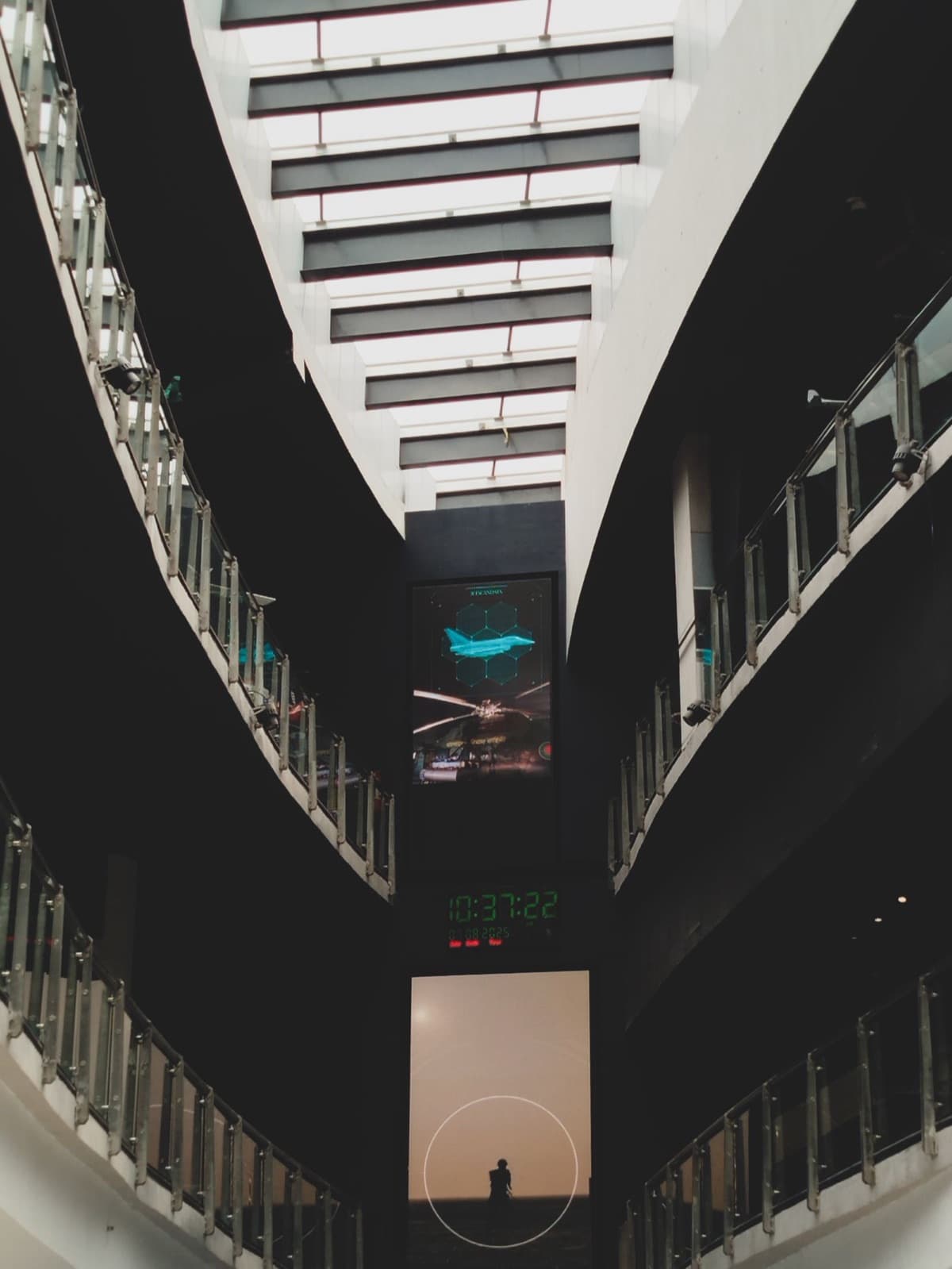
Digital out-of-home screens let you change the message by hour, day and situation. From malls to the metro, city LEDs to airports, they offer flexible visibility.
Schedule ads on digital screens in malls, streets and waiting areas by time and location.
Traditional media booking is on the roadmap; inventory and pricing will open with media partners.
Share your goal and we’ll get back to you.
Digital screens peak in launch and closing weeks; outdoor and social provide support.
Timed delivery
During your audience’s busiest hours.
Flexible creative
Messages can change the same day.
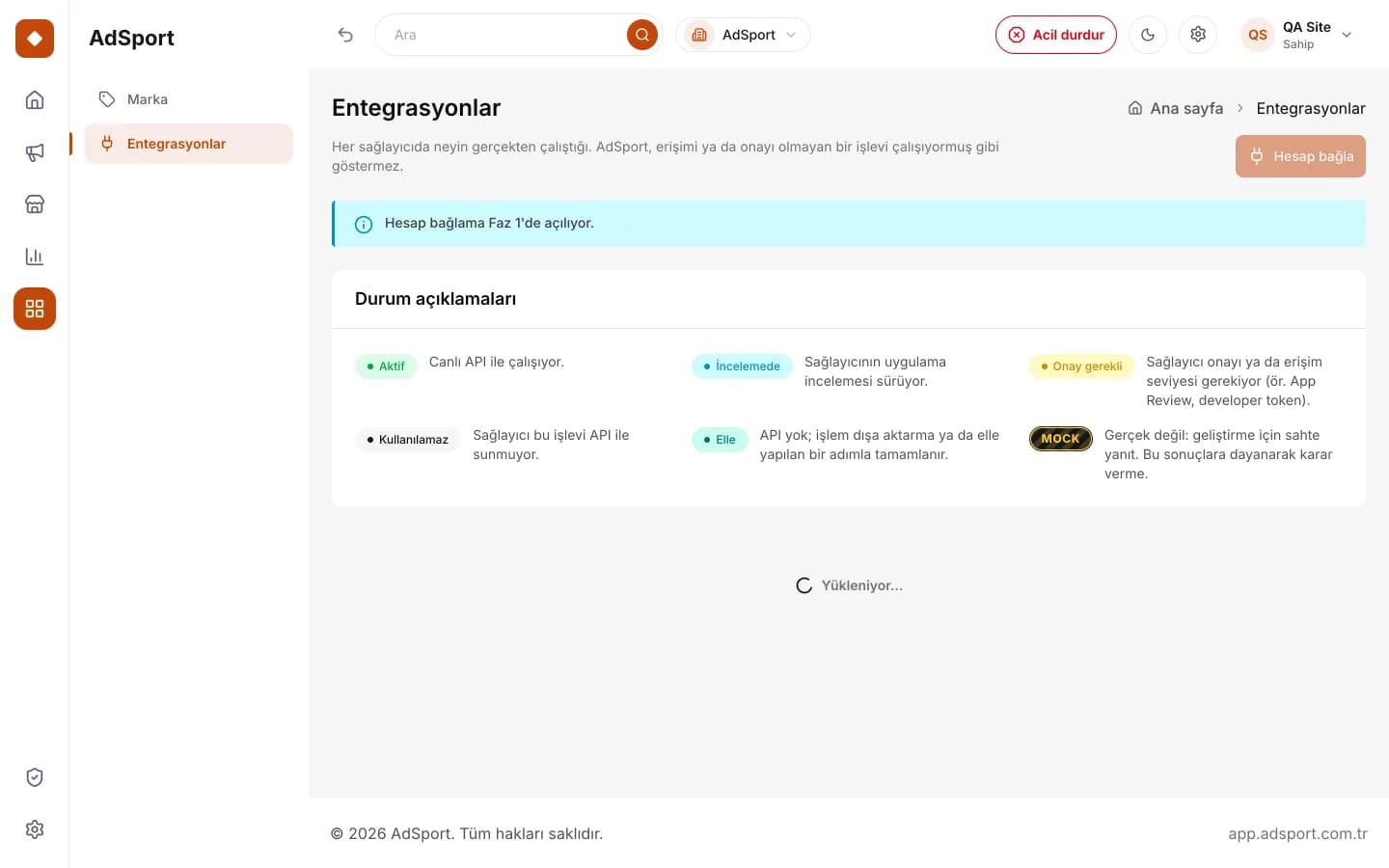 Real dashboard screen
Motion storytelling
Video and animation grab attention.
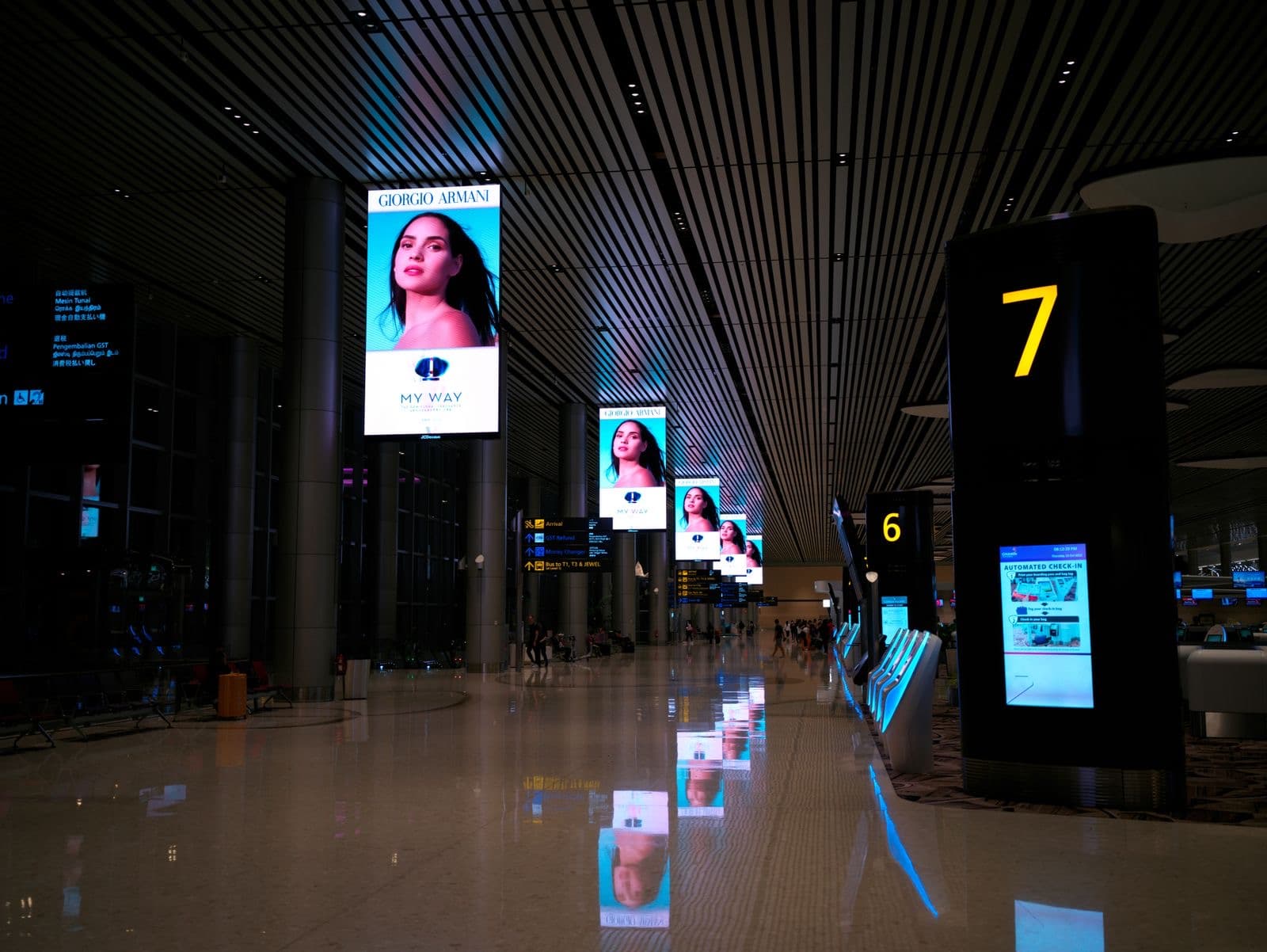
Local targeting
Screen locations chosen by audience.
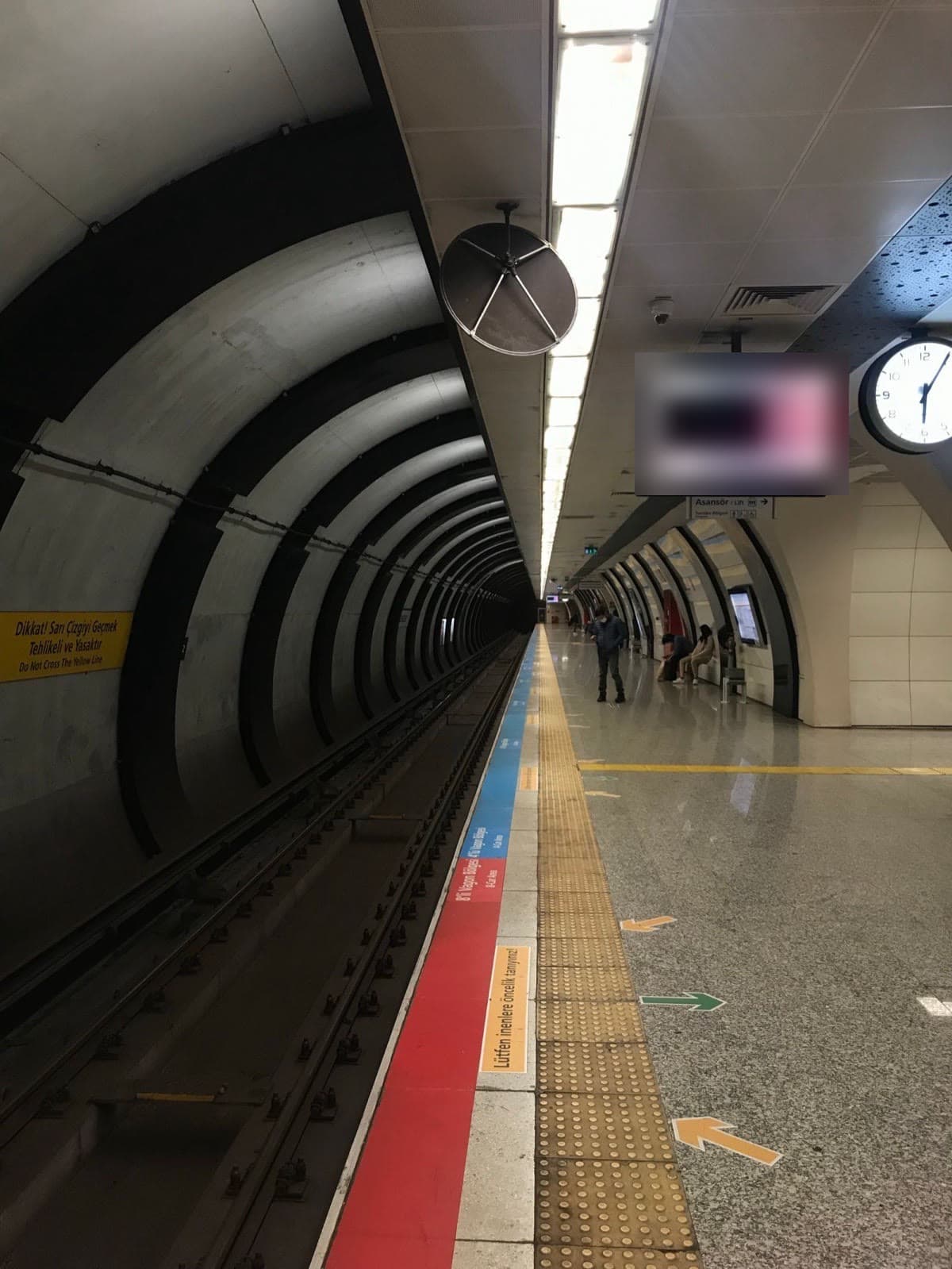
Screen selection
Malls, streets or waiting areas.
Loop plan
Time slots and number of plays.
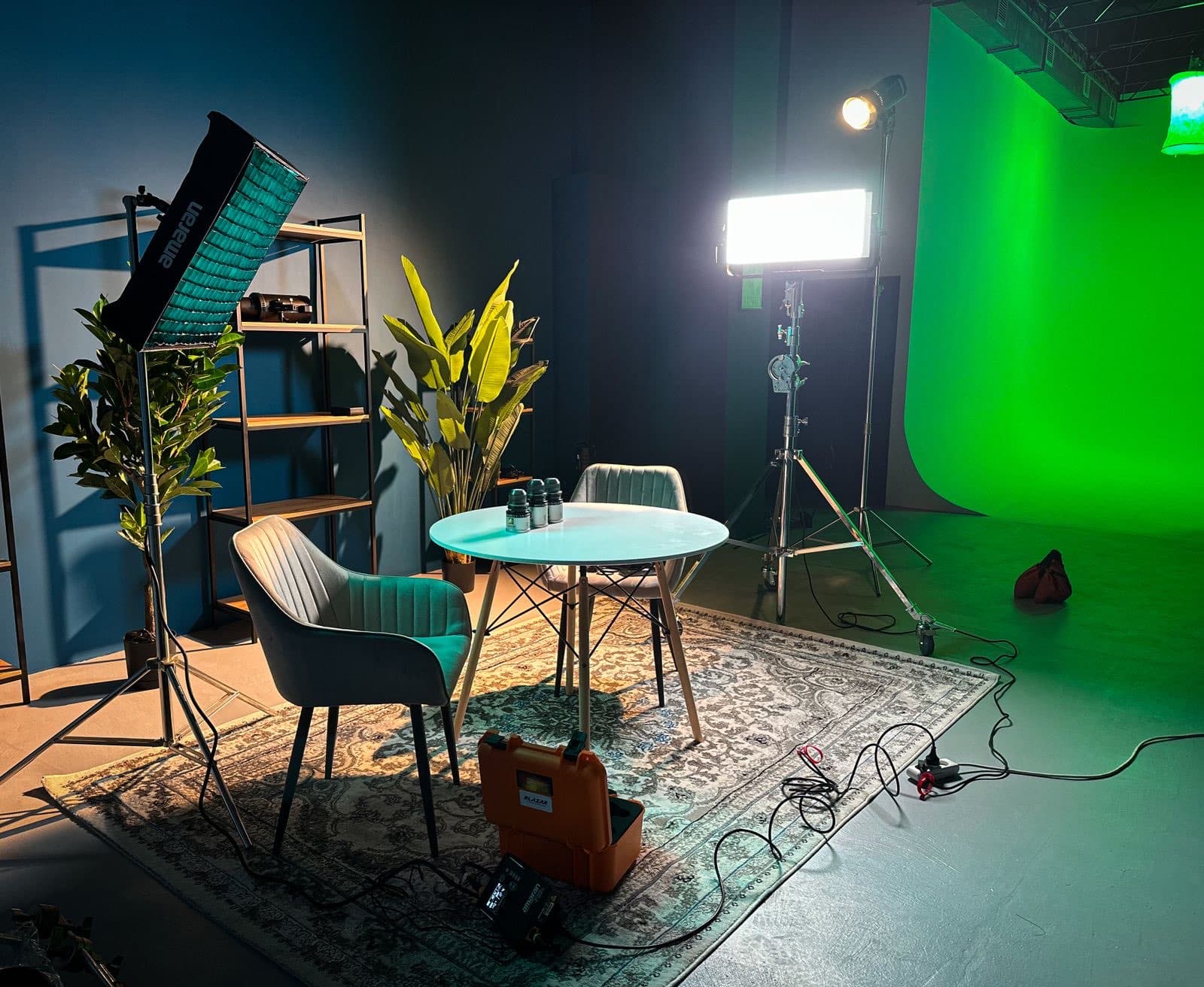
Creative prep
Short videos made for silent viewing.

BookingRoadmap
Loops reserved with media partners.
In classic outdoor, a single printed visual stays the same throughout the campaign. In DOOH, content is digital: it can change by hour and day, video can be used and plays can be verified through proof-of-play logs. In return, the screen is usually shared among several advertisers in a loop.
A digital screen shows several ads one after another; this sequence is called a loop. The number of ads in the loop and the length of each one determine how often your content appears. When planning, you should ask the screen owner clearly about the loop structure and display time.
A programmatic setup allows flexible buying based on time and conditions, but inventory and measurement methods differ from network to network. Direct buying is the common route for reserving guaranteed space on specific screens and settling delivery terms in advance. Both methods can also be used together in the same plan.
Not yet. DOOH booking is on the roadmap and will open together with media partners. You can share your target venues and campaign period through a form and ask to be kept informed during the launch process.
The form takes one minute.
Digital out-of-home screens let you change the message by hour, day and situation. From malls to the metro, city LEDs to airports, they offer flexible visibility.
DOOH (digital out-of-home) is digital outdoor advertising. Large LED screens in city squares, digital billboards, screens inside malls, and metro and airport screens all fall into this category. Unlike a static panel, content is uploaded remotely and several ads are shown in turn on the same face.
The digital setup adds a time dimension to outdoor. One message can be shown to morning commuters and another at lunchtime; weekdays and weekends can be set up differently. Because the creative needs no printing or installation, it can also be updated mid-campaign.
Programmatic DOOH allows screen impressions to be bought through automated systems, much like digital advertising, and based on specific conditions. Inventory and measurement standards can vary by screen owner.
Budget can be concentrated on the hours when your target audience is in front of the screen. Breakfast products in the morning, restaurants in the late afternoon and events just before the weekend: the message is matched to the moment.
With no printing or installation, the visual can be changed quickly. Price updates, countdowns or different product variations can be rotated within the same campaign.
Video and animation catch the eye more easily than static faces. Short motion content designed to be watched without sound can stand out in crowded settings.
In programmatic and dynamic setups, content can be triggered by weather, time of day or a specific event. This flexibility can be used to the extent that the screen owner’s technical infrastructure and rules allow.
DOOH suits brands that care about physical location and want to update their message often. It is especially flexible for short, time-sensitive campaigns.
In-mall screens are among the outdoor touchpoints closest to the point of purchase for directing shoppers to a store while they are already shopping.
Messages that change with mealtimes match the product to the moment; different menus can be shown in turn within the same campaign.
Dated events such as concerts, films and matches can run an announcement that stays current every day through countdown content.
Updated campaign terms or new products can be shown on screens without printing; in restricted categories, regulatory rules are assessed separately.
The venues where your target audience spends time are identified: city LEDs, malls, the metro or airports. Screen location, size, the number of ads in the loop and the display time are reviewed.
You decide on which days and at which hours the ads will run and how often they will appear in the loop. A choice is made between direct buying and, where inventory allows, programmatic buying.
Content is prepared for the screen’s resolution, aspect ratio and duration. It is built to be understood without sound, with the brand visible in the first second, and different versions are planned for different times of day.
Proof-of-play logs and playback reports are obtained from the screen owner. During the campaign, the creative or the hourly split can be updated based on measurement signals.
In DOOH, how many times a screen played the content can be verified through proof-of-play logs, an advantage over static outdoor. But a play does not mean a view. Estimates of the audience in front of a screen rely on traffic and sensor data and are calculated with different methods depending on the screen owner.
Since there are no clicks, QR codes, campaign codes and dedicated landing pages are used. Hour-based delivery makes it easier to track changes in branded search or store demand at specific times; the regional effect is interpreted by comparing areas with and without the campaign.
Metrics we track: Play count · Airtime · Estimated views · QR scans · Branded search · Regional lift
DOOH sits where AdSport’s goal of bringing digital and traditional channels together meets. Screen inventory and booking will open with media partners.
Request and contact forms
You can share your screen advertising needs and target venues today through the forms on our website.
DOOH booking
Booking by screen network, hour and day will open with media partners; there is no inventory or pricing yet.
Programmatic DOOH
Automated buying of suitable screen inventory is a roadmap item to be assessed once partner infrastructure is ready.
Creative versions
Creative studio support that will produce creative variations by time of day and screen aspect ratio is planned.
Live: available today at app.adsport.com.tr. Roadmap: in development, not yet available.
Share your target venues and airtimes, and we will discuss DOOH’s role in your plan and how to measure it.