


The right page, the right time digital ads that actually get seen
Display, video, native and programmatic buying: when you plan them together with viewability, frequency and placement quality, it becomes clear where the budget goes.
Plan display, video and native ads with viewability, frequency and brand safety built in.
Brief-to-plan suggestions and ad account connections are on the roadmap; the demo shows the intended flow.
Share your goal and we’ll get back to you.
Digital placements run all campaign long; other channels support this base in waves.
Scalable reach
Many sites and apps in one campaign.
Viewable impressions
Impressions nobody could see are filtered out.
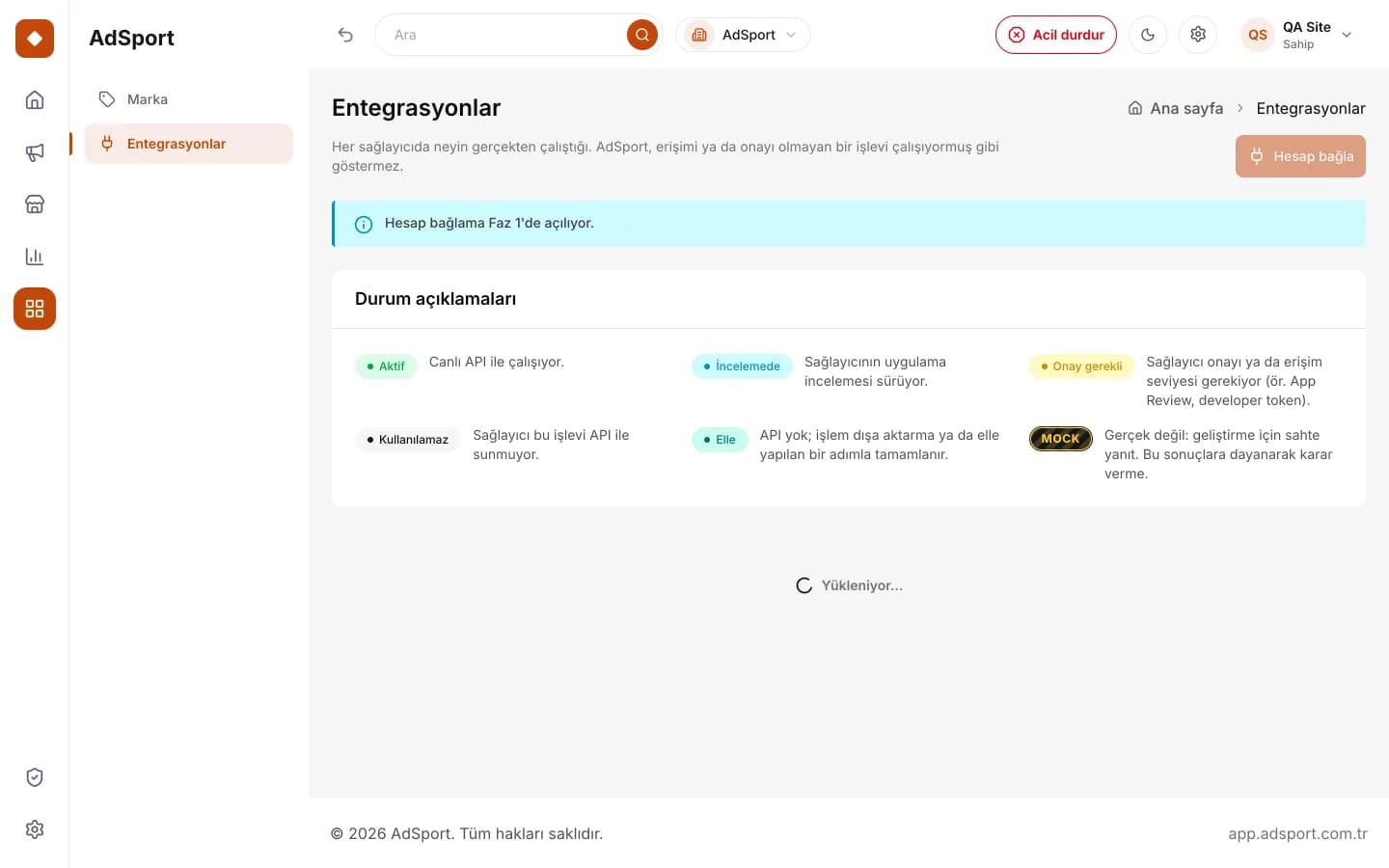 Real dashboard screen
Controlled frequency
A limited number of repeats per person.

Safe context
Never shown next to unsuitable content.

Goal and audience
Objectives and audience signals are defined.

Format choice
Display, video or native is chosen.

Safety settings
Filters and frequency are set before launch.

Optimization
Weak placements are excluded, strong ones scaled.
In a direct deal, the placement on a specific site, the dates and the price are agreed in advance, so placement is predictable. In programmatic, impressions are bought through automated auctions, offering broad reach and flexible targeting. Many campaigns use both: quality placements come direct, and scale comes through programmatic.
An ad loading on a page does not mean it was seen. Impressions at the bottom of a page or on screen for only a moment may be counted in the report yet have no effect. A viewability standard lets you track whether your budget is going to impressions that are actually seen.
Allowlists and exclusion lists of sites, content category filters and app lists are used. After launch, placement reports are reviewed regularly and unsuitable placements are added to the exclusion list. No method removes the risk completely; regular checks are part of the job.
No. Ad account connections and campaign delivery are on the roadmap. What is live on the platform today is accounts, brand profiles, team management and status visibility on the Integrations page. You can request a demo to learn more about the launch process.

The form takes one minute.
Display, video, native and programmatic buying: when you plan them together with viewability, frequency and placement quality, it becomes clear where the budget goes.
Digital advertising covers the formats that run in ad spaces on news sites, content platforms and mobile apps. Display (often called banners), native ads that blend into the content feed, and video that plays in a player or within the page are the main members of this family. Placements can be bought directly from the publisher or through programmatic systems that work by automated auction.
In programmatic buying, each impression changes hands the moment the page loads, based on audience, context and bid data. This flexibility delivers broad reach. But if nobody tracks whether the ad was actually seen, how many times it reached the same person and what content it appeared next to, part of the budget can be wasted without anyone noticing.
That is why the first question in digital advertising should not be “how many impressions did we get” but “who saw it, in what environment and how many times.”
Placements across many sites and apps come together in a single campaign. Budget is distributed according to where your audience spends its time, and you do not need separate deals with each publisher to expand into a new city or target group.
Impressions that do not stay on screen long enough, or that sit at the bottom of a page no one scrolls to, can be filtered out. Working with a viewability standard raises the chance that a paid impression is seen by a person and makes reports meaningful.
You can cap how many times the same person sees an ad per day or per week. This prevents ad fatigue and stops the budget from being used up on a small audience, so the message repeats enough to be remembered while reach keeps growing.
Exclusion lists, content category filters and allowlists of approved publishers limit the risk of your ad appearing next to unsuitable content. Contextual targeting places ads in relevant content while relying less on personal data.
Digital advertising scales to many budgets. It adds the most value for businesses that care about awareness and repeated contact, or that want to complement their search and social campaigns.
It suits brands that want to get a visual or video message to a broad audience quickly. Reach during a launch period can feed later search demand.
In areas such as real estate, education and automotive, where decisions take weeks, reaching people who have already visited your site keeps the brand top of mind.
Reaching users in specific cities or districts through location targeting helps local businesses become visible without spreading their budget too thin.
Brands that already have a promotional video, guide content or a catalog can bring these assets to the right audience through video and native placements.
The campaign’s purpose is clarified: awareness, consideration or conversion. The target audience is described through signals such as demographics, interests, location and, where needed, site visitor lists.
Display, video or native formats are chosen to fit the structure of the message. A balance between quality and reach is struck across direct publisher deals, private marketplaces and open programmatic inventory.
Excluded categories, site lists and frequency caps are set before launch. Creatives are prepared for different sizes and aspect ratios, and the landing page is checked to make sure it loads quickly and matches the message.
Viewability and placement reports are reviewed in the first days. Low-quality placements are excluded and well-performing ones get more weight; creative rotation is planned based on frequency and engagement data.
Clicks can be measured in digital advertising, but click-through rates for display and video are low by nature and are not a measure of success on their own. Viewable impressions, unique reach, average frequency and video completion rate show whether the message was actually seen.
To see business results, on-site conversions, post-impression visits and changes in branded search during the campaign are assessed together. Invalid traffic and suspicious placements should be monitored separately, and the assumptions behind the attribution model should be stated clearly in the report.
Metrics we track: Impressions · Viewability · Unique reach · Frequency · CTR · Video completion · CPM · Conversions
Digital advertising is planned as one of AdSport’s first channels, but ad account connections and campaign delivery have not opened yet. Here is where things stand today:
Status on the Integrations page
The actual status of every provider and capability is shown in the platform with clear labels such as “approval required” or “not yet available.”
Ad account connections
Connecting accounts on ad networks and launching display and video campaigns from the platform is on the roadmap.
Proposed media plans
AI media planning is planned that will suggest a budget split across display, video and native based on your brief.
Unified reporting
A single report that shows viewability, frequency and conversion data with the same definitions as other channels is in development.
Live: available today at app.adsport.com.tr. Roadmap: in development, not yet available.
Share your goal and budget, and together we will assess the role of digital advertising in your plan and where the platform stands today.