
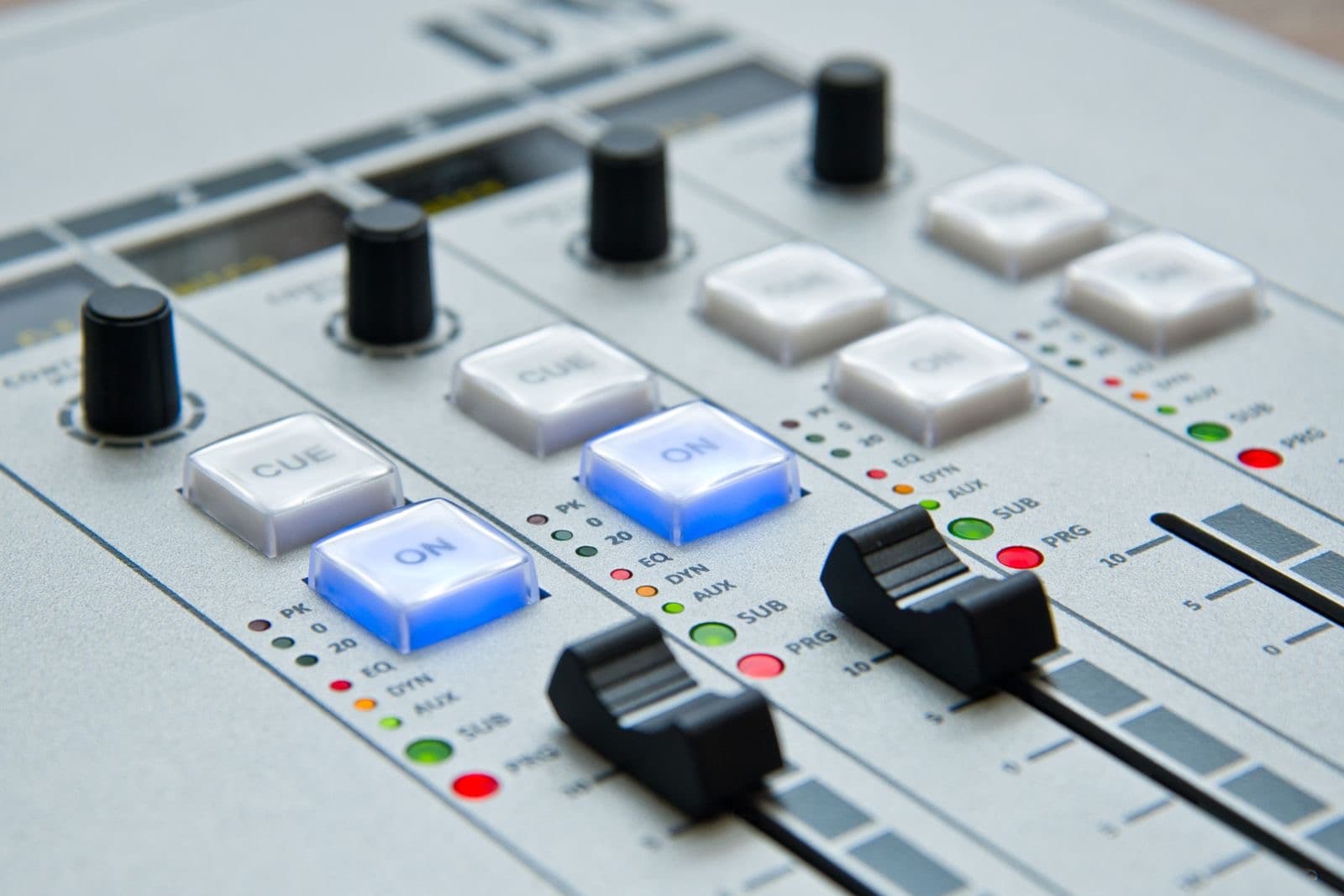

Remembered by sound in the right daypart, often enough
Radio keeps listeners company on the road, at work and at home. Spots and sponsorships planned with the right station, daypart and frequency keep your brand’s voice top of mind.
Plan local and national radio spots on the same calendar as your digital campaigns.
Traditional media booking is on the roadmap; inventory and pricing will open with media partners.
Share your goal and we’ll get back to you.
Radio spots peak in weeks that overlap social waves; search captures the rising demand.
Local reach
Strong audiences by city and region.
Memorable through repetition
Repeated dayparts reinforce the message.
 Real dashboard screen
Reach on the road
Speak directly to listeners in the car.

Boosts digital
Track the search lift after each spot.

Station selection
Stations that fit your region and audience.

Daypart plan
Morning, midday and evening slots.
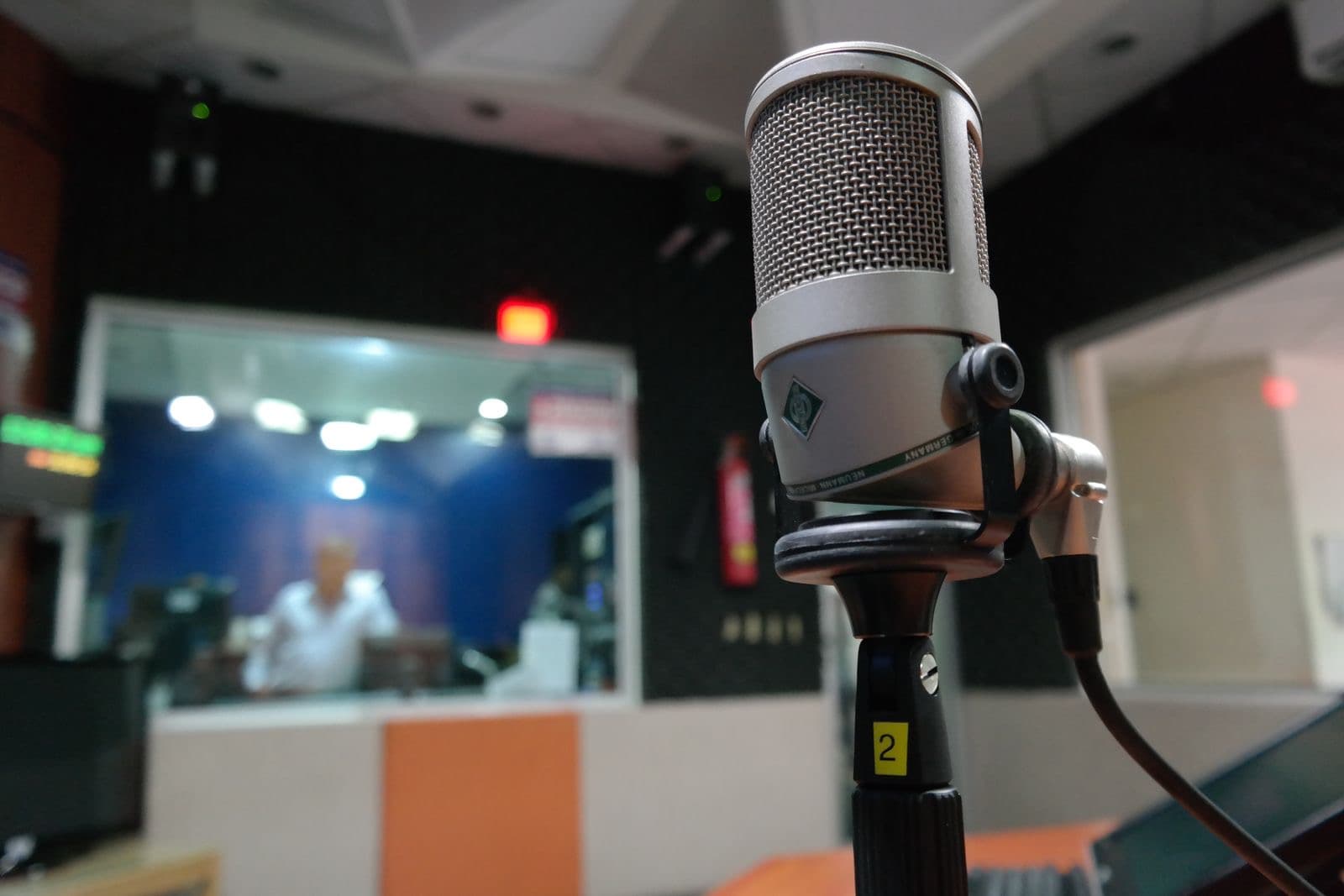
Spot production
Short, clear, branded audio.

BookingRoadmap
Airtime booked with media partners.
A spot is a standalone ad aired in a commercial break, and the brand fully controls the message. In a sponsorship, the brand is mentioned together with a program or segment, as in “the news, brought to you by …”. Sponsorship offers more limited room for the message but builds a link with content people listen to regularly.
Length depends on the station’s sales units and the complexity of the message. The general principle is to deliver one main message, the brand name and a call to action at a pace listeners can follow. Spots crammed with information are not remembered; short, repeated messages are preferred.
Radio broadcasts are subject to RTÜK rules, and ad content to Consumer Protection Law No. 6502 and the Regulation on Commercial Advertising. Ads must be distinguishable and not misleading, and must follow special rules in areas such as healthcare. This is general information, not legal advice.
Not yet. Radio booking is on the roadmap and will open together with media partners. Today you can share your needs through the demo or contact form and get information about the launch process.
The form takes one minute.
Radio keeps listeners company on the road, at work and at home. Spots and sponsorships planned with the right station, daypart and frequency keep your brand’s voice top of mind.
Radio advertising consists of audio messages placed in the programming of national, regional and local stations. The most common form is the spot aired in commercial breaks. Sponsorship of a program, news bulletin, traffic or weather segment, and the use of a brand-specific jingle, are also popular choices.
Radio’s strength comes from repetition and from keeping people company. Listeners often tune in while driving or working; in a setting that does not demand visual attention, a short, clear and repeated message is remembered. National stations provide broad reach, while local stations deliver concentrated contact in a specific city.
Radio broadcasts are subject to the rules of RTÜK, Türkiye’s broadcasting regulator; ads must be distinguishable within the program flow and comply with content rules.
Morning and evening rush hours are natural moments to reach listeners in their cars. Radios left on in workplaces throughout the day are another way to reach an audience that is not looking at a screen.
Local and regional stations focus on listeners in a specific city. For a store opening, a local promotion or an event announcement, you can build concentrated contact without spreading the budget over a wide area.
Planned repetition of the same message throughout the day and across the week keeps the brand name, phone number or campaign line top of mind. Jingles and sonic logos carry this effect into the long term.
Sponsoring regularly heard segments such as news, traffic or weather mentions the brand alongside useful information. This context can create a different perception from an ordinary spot.
Radio suits businesses whose message can be explained quickly through sound and that benefit from repeated contact. In local campaigns, it can be a layer that complements the digital plan.
Seasonal sales, openings and weekend promotions can be announced widely on local radio in a short time.
Dealer promotions and service announcements reach an audience listening in the car, in a natural context.
Services whose name and contact details need to stick benefit from repeated spots; in healthcare, content must be informative and comply with the relevant regulations.
Dated announcements such as concerts, trade fairs, festivals and municipal events can be supported with a short, concentrated radio plan.
The target audience’s age, city and music or content preferences determine station choice. Using national and local stations together strikes a balance between reach and concentration.
You decide in which time slots and how many times a day the spots will air. Short campaigns favor an intensive schedule, while long-term awareness work favors a more spread-out calendar.
The spot script focuses on one main message, and the brand name and call to action are repeated. Voiceover, music and jingle are produced in the studio and checked against the station’s technical and content requirements before airing.
Slots are booked with the station; after airing, a broadcast report confirms that the spots ran at the planned times. The next period’s plan is adjusted based on measurement signals.
There are no direct clicks on radio, and it is not possible to measure whether an individual listener heard the ad. Listening data relies on audience surveys and the audience figures stations share; results should be treated as estimates and read alongside qualitative assessment.
To see the effect, the spot can use a radio-only campaign code, a short and memorable web address or a separate phone line. Comparing branded search, site visits and call volume in the relevant region during the airing period with the previous period also points the way.
Metrics we track: Spot count · Daypart split · Estimated reach · Code redemptions · Call volume · Branded search
Radio is one of the traditional channels AdSport aims to include in its media plans. Booking and inventory will open together with media partners.
Request and contact forms
You can share your traditional channel needs, including radio, today through the demo or contact form on our website.
Radio booking
Station and slot booking will open with media partners; there is currently no inventory or pricing on the platform.
Radio in the media plan
AI media planning that will suggest radio’s share of the budget and recommend dayparts based on your brief is on the roadmap.
Unified report
Showing radio airing confirmations and measurement signals in the same report as digital channels is planned.
Live: available today at app.adsport.com.tr. Roadmap: in development, not yet available.
Share your target city and campaign period, and together we will assess how well radio fits your audience and how to measure it.